
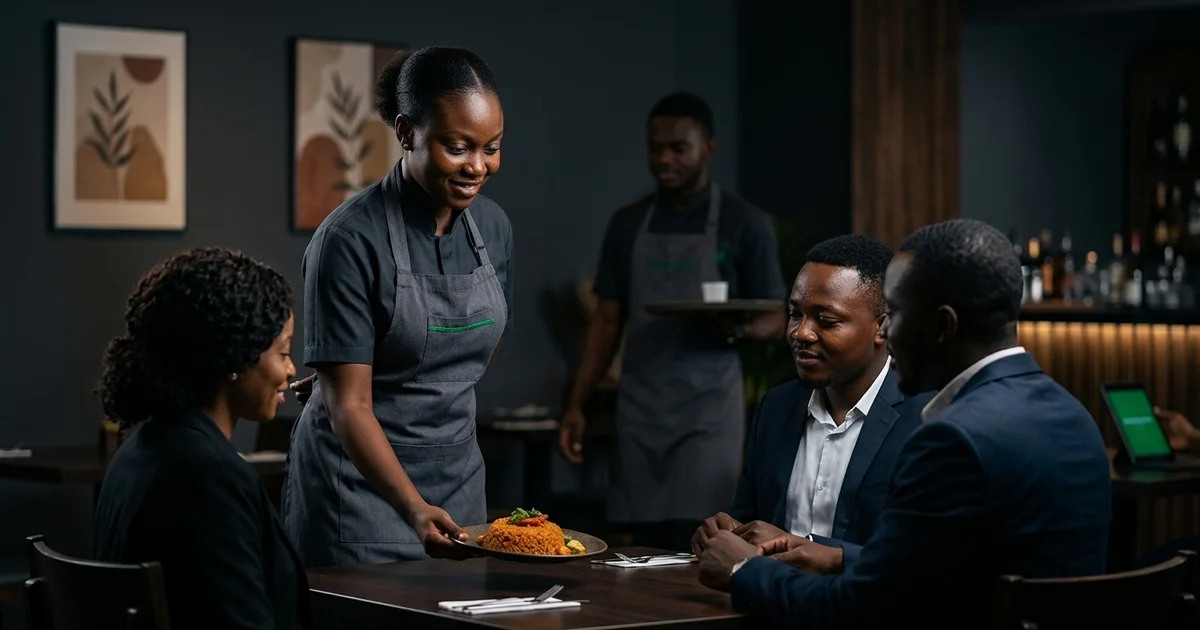
Local SEO for restaurants Ghana: Two different businesses, two different searches
Our team understands that hospitality looks like one sector but actually behaves like two entirely different businesses. A 2026 industry report found that over 61 percent of local desktop searches in Ghana end without a single click. This zero-click reality means the Google Map Pack is often the absolute beginning and end of the customer journey.
We see a massive difference in how dining spots and hotels must handle this behavior.
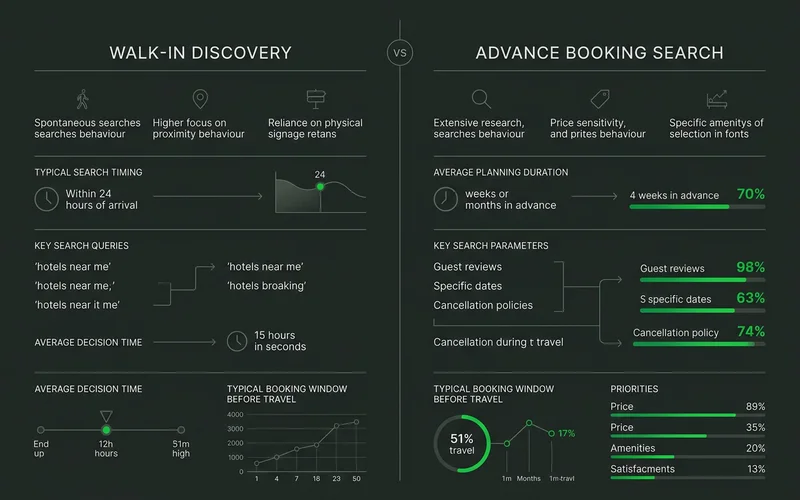
A hungry customer walking through Adum makes a dining decision in under a minute based on photos and proximity. A traveler planning a Kumasi trip weeks in advance will meticulously compare guesthouses near KNUST across multiple tabs.
Our approach to Local SEO uses the same technical foundations for both models. Accommodation businesses simply need a heavier focus on driving users to a website that closes the booking. Let us look at the data to explore a few practical ways to respond.
Menu, photo and attribute signals
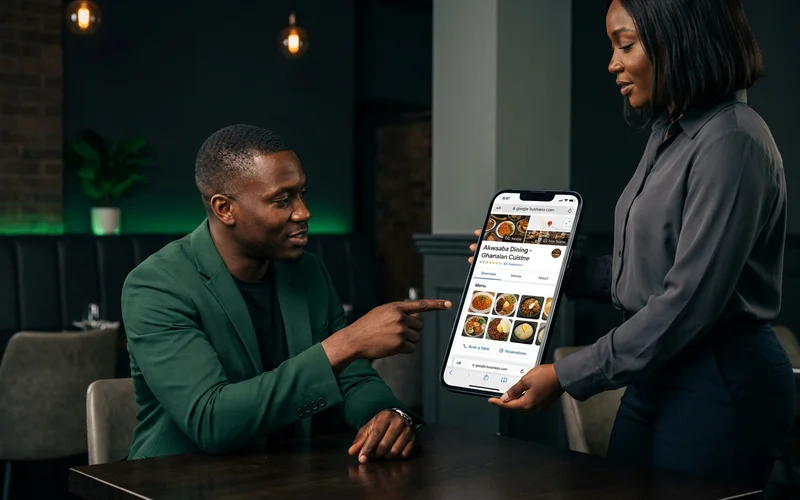
Our experience shows that the Business Profile fields hospitality owners routinely leave empty are the exact ones that convert. A recent 2026 study highlights that fully complete profiles generate nearly three times the trust of empty ones. A core piece of restaurant marketing ghana involves actively managing digital menus, monthly photos, and specific local amenities.
We recommend treating your menu as a searchable digital database rather than uploading a laminated card. Specific dish names actually function as active search strings. Adding structured items ensures your business surfaces for specific cravings while competitors miss out entirely.
Our photo strategy relies on consistent monthly uploads rather than a massive batch at setup. Uploading geo-tagged images of room interiors or the actual dining space drives immense engagement. A steady stream of visual proof builds immediate trust with potential visitors.
Our data indicates that most businesses ignore attribute settings entirely. These specific tags function as powerful filters for users looking for exact amenities. Unset attributes simply read as absent features to the algorithm.
We prioritize a few critical attributes for the Ghanaian market.
- Marking the “accepts mobile money” tag is vital since MoMo transactions hit GH¢493 billion early this year.
- Adding the air conditioning filter captures travelers seeking relief during the dry season.
- We always ensure the wheelchair accessible entrance tag is accurate to welcome all guests.
- The free Wi-Fi label is a major deciding factor for international visitors.
- Outdoor seating and group booking options help capture the weekend dinner rush.
We always insist on honest, updated operating hours. Public holidays require special hour updates to prevent frustrating your loyal customers. A guest who arrives at a locked door because Google said you were open will leave a negative review you will be reading for years.
The Kumasi geography problem
Our grid-level tracking reveals that Kumasi’s commercial density directly limits the geographic reach of search campaigns. Because proximity is a major ranking factor, a restaurant dominating the search results in Adum becomes functionally invisible to a user searching from Asokwa just four kilometers away. A single city-wide rank check completely hides this visibility drop-off.
We rely on localized grid tracking to show the true shape of a business profile across the metro area. This data usually proves that an establishment ranks first within a single kilometer and nowhere beyond it. The fix for a weak district presence is building prominence, simply because you cannot move your physical building.
Our team builds this prominence through targeted reviews, citation depth, and neighborhood-specific content. Mentioning nearby areas like Nhyiaeso or Bantama on your website helps widen the radius where you can hold a top position. These hyper-local signals teach search engines that you serve a broader portion of the city.
Our favorite way to explain this dynamic is what locals call the Kejetia and Adum effect.
The Kejetia and Adum effect
High-footfall central districts force businesses to compete against dozens of nearby alternatives. This intense density makes relevance and high-quality photos your strongest weapons. Our analysts note that establishments further out face fewer competitors but must attract clicks from a much wider radius. Therefore, off-page prominence and local citations carry significantly more weight. The foundational strategy stays the same, yet the tactical emphasis shifts completely.
Handling event and seasonal demand
Our firm prepares updates at least a month before Kumasi’s lumpy seasonal demand arrives. Major events like KNUST graduations, the Odwira festival in September, or the busy December season create predictable surges in hotel bookings. The most common mistake owners make is waiting until the week the spike arrives to start optimizing.
We know that Google Business Profile posts lose prominence after about a week. Search content takes significantly longer than a few days to gain real traction. Seasonal promotional work must start two to eight weeks ahead of the actual event.
Our comprehensive guide on posting cadence covers the exact rhythm that makes this sustainable rather than frantic. Following a structured timeline prevents last-minute scrambling during peak booking windows. This proactive approach guarantees your guesthouse google profile stands out right when travelers begin researching.
We implement specific, practical steps to secure reservations during high-demand periods.
- Set special holiday hours well before the festival begins.
- Publish seasonal offers leading up to the busy week.
- Our staff ensures the WhatsApp number is actively monitored to reply instantly.
- Enquiry-to-booking rates fall sharply if a reply takes more than an hour.
- The customer already has three other options open, making the fastest response the winner.
Direct bookings versus platform commission
Our financial analysis shows that generating direct bookings through a Google Profile is the best way to eliminate platform commissions. Industry data for 2026 indicates that online travel agencies routinely charge anywhere from 15 to 20 percent in fees per reservation. For an accommodation business in Kumasi, keeping that margin is the number that matters most for long-term profitability.
We recognize that aggregator platforms bring massive global reach to your property. Travelers who start their search on an app are often unavoidable. Every single reservation processed through those third-party systems carries a permanent financial penalty.
Our clients see massive returns when their own listing ranks highly for localized terms. A top rank for a term like “hotel seo kumasi” produces direct reservations that allow the owner to keep the full revenue. A meaningful share of travelers will search the specific town name directly on a search engine rather than starting on a platform.
We usually suggest running both strategies simultaneously to maximize occupancy. The critical error is treating the platform listing as the only online presence while letting the official property profile sit unclaimed. A surprising number of local guesthouses currently make this exact, costly mistake.
Our team built a quick comparison to highlight the value of an independent profile.
| Booking Source | Average Fee | Customer Data |
|---|---|---|
| Third-Party App | Up to 20 percent | Platform retains ownership |
| Direct Google Profile | Zero percent | Hotel retains ownership |
This balanced approach protects your profit margins over time. Direct visibility builds a sustainable, independent brand in the Ghanaian hospitality market.
We encourage every owner to audit their current search presence today, and our guide on what a local SEO audit checks walks through exactly what to look at. Taking control of your local seo for restaurants ghana strategy is the fastest path to better margins. Claim that listing, upload fresh photos, and watch your direct reservations grow.